Best Toys for Picky Eaters with Autism & ADHD: OT-Recommended Tools to Expand Their Diet in 2026
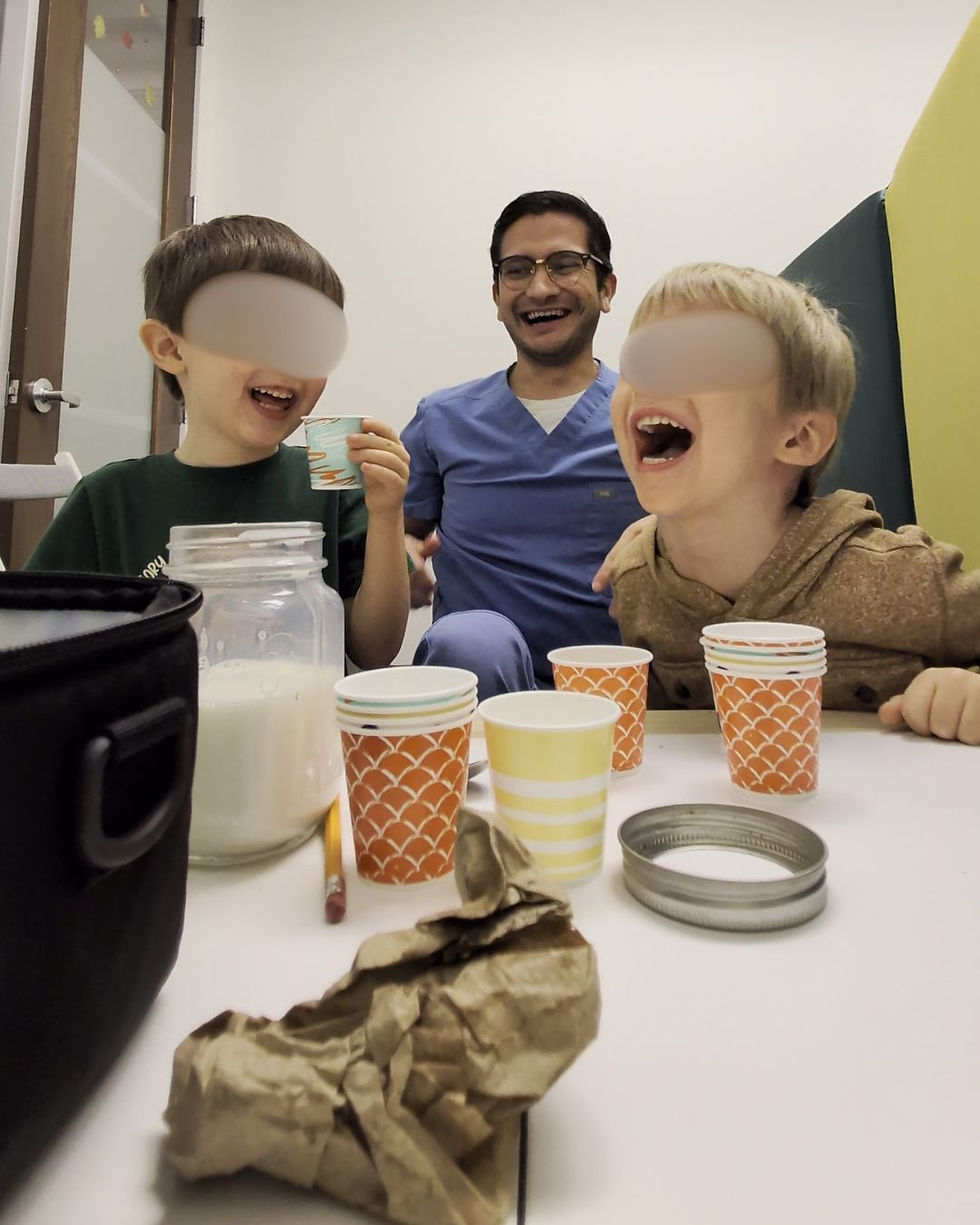
If your child with autism or ADHD only eats a small list of foods and shuts down at the sight of anything new, you’re not alone.
As a pediatric occupational therapist with 8 years of experience working with kids with autism and ADHD, I see this every day in my practice.
The good news? You don’t have to force “just one bite.” Toys and playful tools can make a huge difference by turning food exploration into a fun, low-pressure activity.
One of the most dramatic examples I’ve seen was a child who would completely shut down any time his parents brought a new food to the table, even if they didn’t ask him to touch or eat it.
Just seeing a new food caused a shutdown. After consistent play-based work, he is now happy exploring new vegetables and has expanded his accepted foods from about 10 to over 30.
Progress like this is possible when we break things down the right way.

Why Toys for Picky Eaters Work Better Than Just “Trying New Foods”
Toys that are used only to explore new foods work better because you can get way more opportunities to interact with the food. You can break it down into simple steps like looking, touching, smelling, biting, chewing, and eventually swallowing until the child feels comfortable.
Just “trying new foods” is often perceived by many kids as an all-or-nothing activity — “I either swallow it or I say no.” That makes it almost impossible to help them get used to new textures, colors, or temperatures.That’s why I follow the

Quick Intro
Hi, I'm Sergio, a Pediatric Occupational Therapist—and that's my amazing wife Rosa, a Speech Therapist, smiling beside me! We opened our San Antonio, TX practice to work with families like yours. We've helped 100+ kids—80% autistic— All we want? Connect you with the perfect OT + Speech team.

Best Sensory Toys & Tools to Expand Your Picky Eater’s Diet
I recommend these toys and activities in a step-by-step progression that matches the SOS feeding hierarchy: starting with sight (visual input), then interacting with tools, smelling, touching, and finally tasting/biting.


5. Smelling Game (DIY Plastic Cup)
No special purchase needed — simply take a plastic cup and cut a small hole in the lid. Ask the child to smell different foods and guess: sweet, salty, fruity, fresh, warm, spicy, crunchy smell, or sour smell.
Start with preferred foods so they build confidence, then gently move to similar new smells (e.g., strawberries → raspberries).

7. "Rocket Game" Bucket + Shark Teeth Biting
Use a small bucket for the “rocket game”: take a bite of a new food (like a baby carrot) and “launch it” into the bucket (spit it out). Or pretend to use “shark teeth” to bite the food before placing pieces on the balance scale. This makes the first bite low-pressure and fun.
How to Use These Toys with the Level-Up Play Method
I structure food play the same way I do all my sessions — with tiny, progressive wins.
-
Level 1: Looking and visual play (mirror, potions, spinning plate)
-
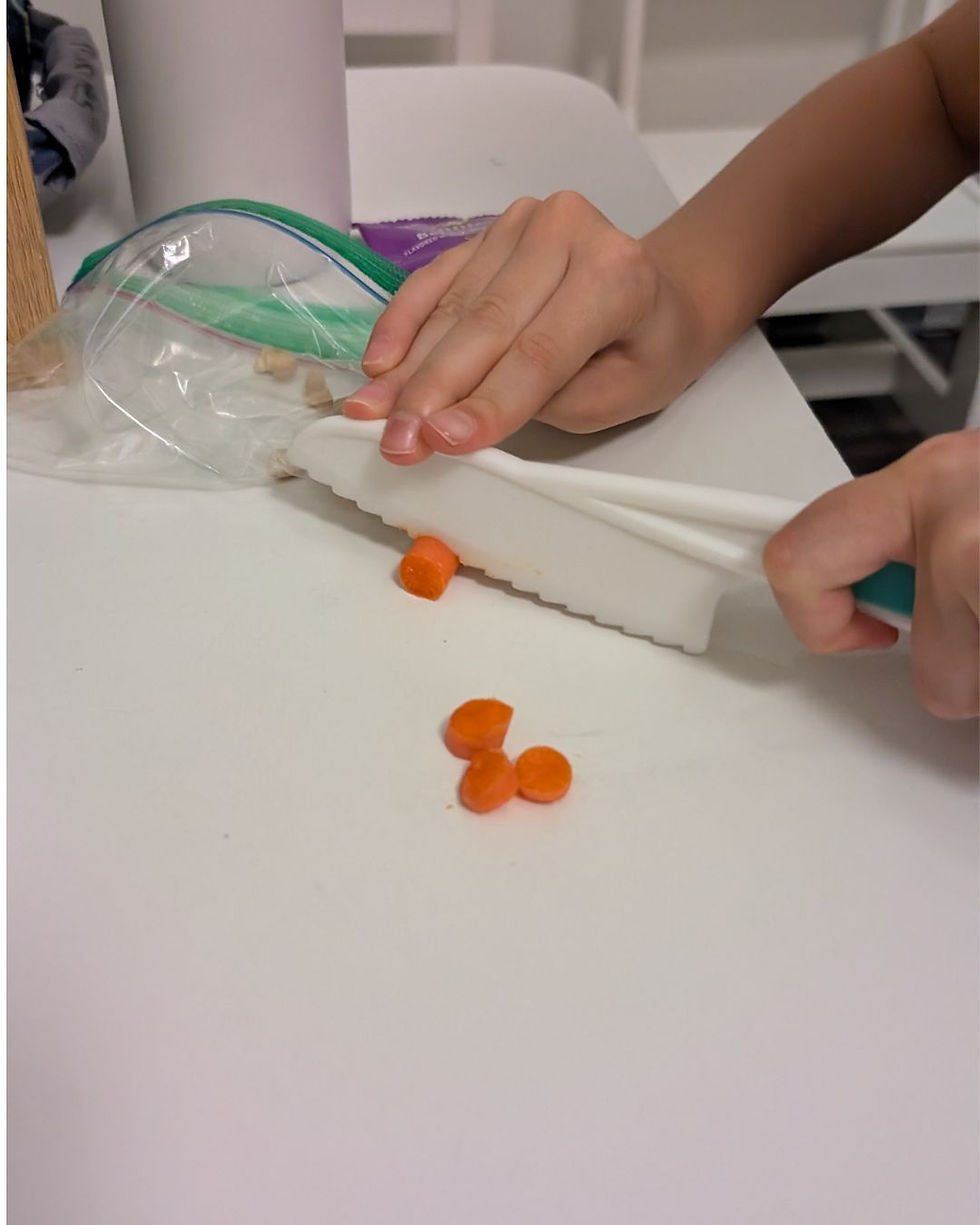
Level 2: Interacting with tools (chopper, knives) and smelling games
-
Level 3: Touching with hands (balance scale)
-
Level 4: Biting/tasting (rocket game or shark teeth)
Every time your child succeeds, label the emotion out loud: “Wow, you stayed calm even when it felt squishy!” This builds new brain pathways for “I can handle this.”
Important Tips for Success
-
Limit these toys only to feeding and mealtime activities. Using them outside of food exploration actually decreases motivation over time.
-
Teach your child to say “I’m not ready yet” instead of “I don’t like it.” They truly don’t know yet if they’ve never tried it, and this phrase lets them self-advocate while keeping the door open for future tries.
-
According to the SOS Approach to Feeding, children often need multiple positive exposures — sometimes 10 to 30 or more presentations of a new food — before they feel comfortable swallowing it and deciding whether they like it. The exact number varies by age and child, but consistency and play are what matter most.
Safety Notes
Always supervise play with small parts. These toys are not a replacement for professional feeding therapy. If your child has significant feeding challenges (very limited diet, poor weight gain, choking fears, or extreme distress), work with a feeding-trained OT or SLP.
You've Got This
Expanding a picky eater’s diet takes time, but the right sensory toys and playful approach can turn stressful mealtimes into opportunities for growth and confidence. Small, consistent moments really do add up.You’re already doing the hard, loving work of supporting your child. Keep celebrating those tiny wins — you’ve got this!
You've Got This
Expanding a picky eater’s diet takes time, but the right sensory toys and playful approach can turn stressful mealtimes into opportunities for growth and confidence. Small, consistent moments really do add up.You’re already doing the hard, loving work of supporting your child. Keep celebrating those tiny wins — you’ve got this!
