Dinosaur Poke Art Kit for Fine Motor Skills: My Go-To Mess-Free Therapy Toy
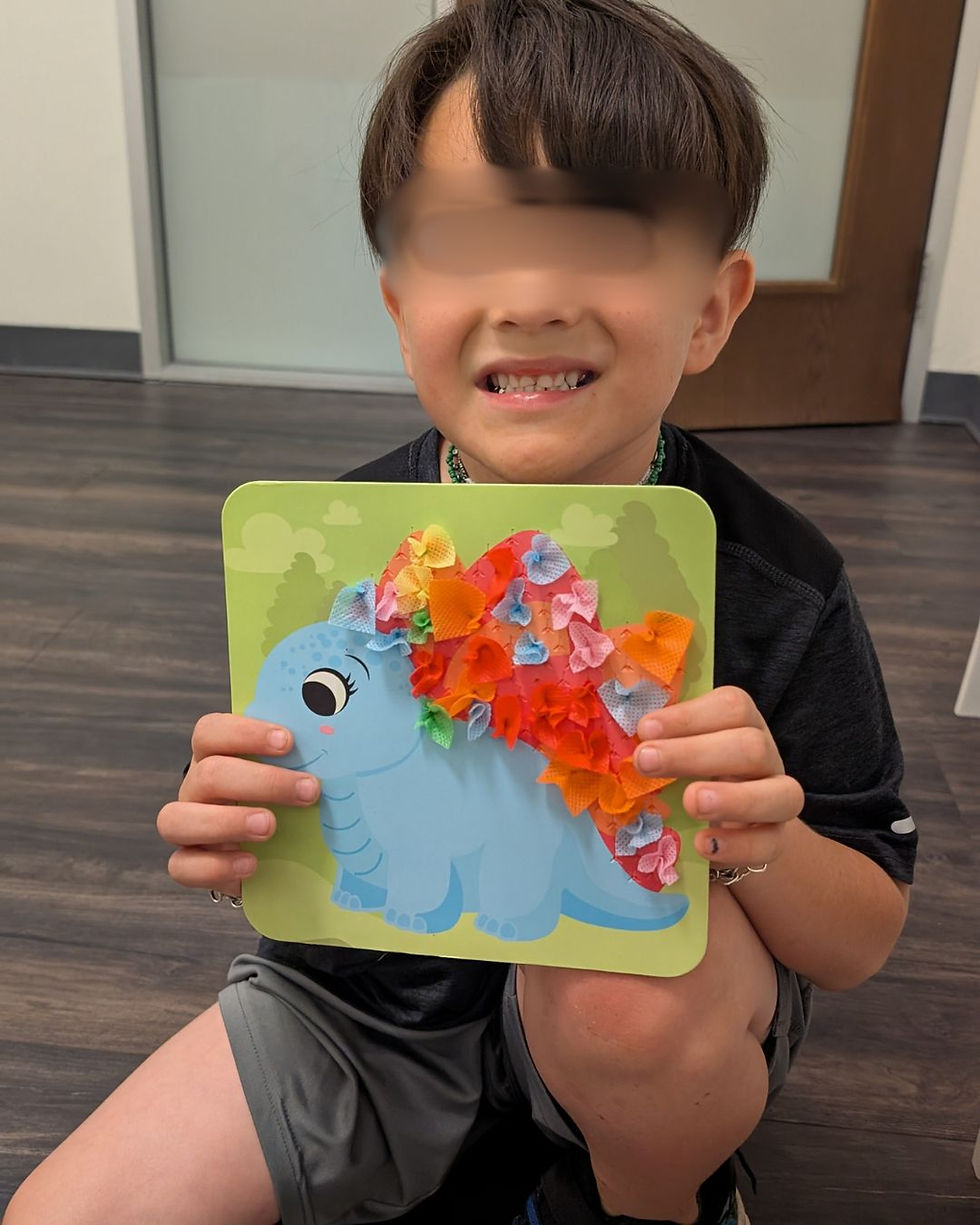
I’ve been using this dinosaur poke art kit in my sessions for a while now, and it’s honestly become one of those tools I reach for again and again. Kids poke the little fabric pieces into the soft board using a simple stick, and they end up with these bright, textured dinosaurs. No glue, no paint, no big cleanup at the end.I wanted to share exactly how I use it and why it works so well for the kids I see, especially when we’re working on fine motor skills, focus, and regulation.

What the Kit Actually Comes With
When I first got it, I was surprised by how much is included. You get over six different dinosaur boards (things like triceratops, stegosaurus, and a few others), over 1,400 fabric squares in all kinds of colors and textures, two poke sticks, and a little pad to work on.
The boards are foam-style but soft enough that the stick goes through easily without tearing. The dinosaurs are already outlined, so kids have a clear starting point but still get to make a lot of choices about colors and how full they want to make the “spikes” or body. That balance of structure and freedom is part of what makes it click for so many kids.

Quick Intro
Hi, I'm Sergio, a Pediatric Occupational Therapist—and that's my amazing wife Rosa, a Speech Therapist, smiling beside me! We opened our San Antonio, TX practice to work with families like yours. We've helped 100+ kids—80% autistic— All we want? Connect you with the perfect OT + Speech team.

How I Actually Use It in Sessions
Most of the time I pull this out toward the middle or end of a session when we need something hands-on but not too overwhelming. I’ll set one board in front of the child, hand them the poke stick, and just let them go. Some kids like to follow the colors I suggest at first, while others dive right in and make their own patterns.
I’ve noticed it works especially well when a child is having a hard time settling or needs something that keeps their hands busy in a purposeful way. The repetitive poking motion seems to give just enough input without being overstimulating.

The Fine Motor Skills Piece (What I’ve Actually Seen)
This is where it really shines for me. The way kids hold the poke stick is very similar to how they hold a pencil, it encourages that tripod grasp without me having to constantly remind them.
I’ve watched little hands get stronger and more controlled over just a few sessions. It also works bilateral coordination because one hand is usually stabilizing the board while the other is poking.
And the visual-motor part is built right in, they have to look at where they want the piece to go and then guide their hand there. It’s not flashy, but it’s consistent practice that transfers to other things like writing or using scissors.
Why It Helps with Focus and Regulation for Kids with Autism or ADHD
I’ve used this with quite a few kids who have autism or ADHD, and there are a couple of things that seem to make a difference. For many of the kids with autism I work with, the clear structure of the dinosaur outline plus the repetitive poking gives them a predictable activity that still feels creative.
They know what the end goal looks like, but they can still choose colors and how densely they want to fill it in. That combination often helps with engagement without it feeling too open-ended. With ADHD, the hands-on, textured nature of the fabric squares seems to hold attention better than a lot of paper-based activities. It’s active enough that it channels some of that extra energy, but calm enough that it doesn’t rev them up.
I’ve had kids who usually bounce around stay seated and focused for the full time we’re working on one board. The different textures of the fabric also give some sensory input without it being messy or requiring a lot of setup.It’s not magic, but it’s one of those activities where I consistently see kids stay regulated and actually enjoy the process.

The Mess-Free Part That Parents (and I) Love
One of the biggest practical wins is how little cleanup there is. The fabric squares stay on the board pretty well once they’re poked in, and if a few fall off, they’re easy to pick up. No paint on clothes, no glue on the table, no markers everywhere.
I can do this in the therapy room and not worry about the next kid walking in and stepping on something sticky. That low-mess factor means I’m more likely to actually use it, and parents seem relieved when I tell them we did an art activity that didn’t involve washing anything afterward.
A Few Quick Tips from My Experience
-
Start with just one board so it doesn’t feel overwhelming.
-
Let the child choose the dinosaur and the colors if they want — it increases buy-in.
-
If a child is still working on grasp, I sometimes gently model how to hold the stick, but I try not to overcorrect.
-
Some kids like to make patterns (all the spikes one color, for example), while others just go wild with color. Both are great.
You've Got This
Expanding a picky eater’s diet takes time, but the right sensory toys and playful approach can turn stressful mealtimes into opportunities for growth and confidence. Small, consistent moments really do add up.You’re already doing the hard, loving work of supporting your child. Keep celebrating those tiny wins — you’ve got this!
